
Apocalypse, Inc.
How the Guardian sells panic... and why you shouldn't buy the propaganda or the publication.

The MSM keeps turning climate risk into collapse porn. That’s not journalism; it’s an anxiety machine. Today’s case study: Bill McKibben’s new Guardian article telling readers that “extreme weather events are becoming more frequent and violent,” that we should sprint “at the pace China is currently going,” and that solar+batteries are the bunker-ready cure-all.
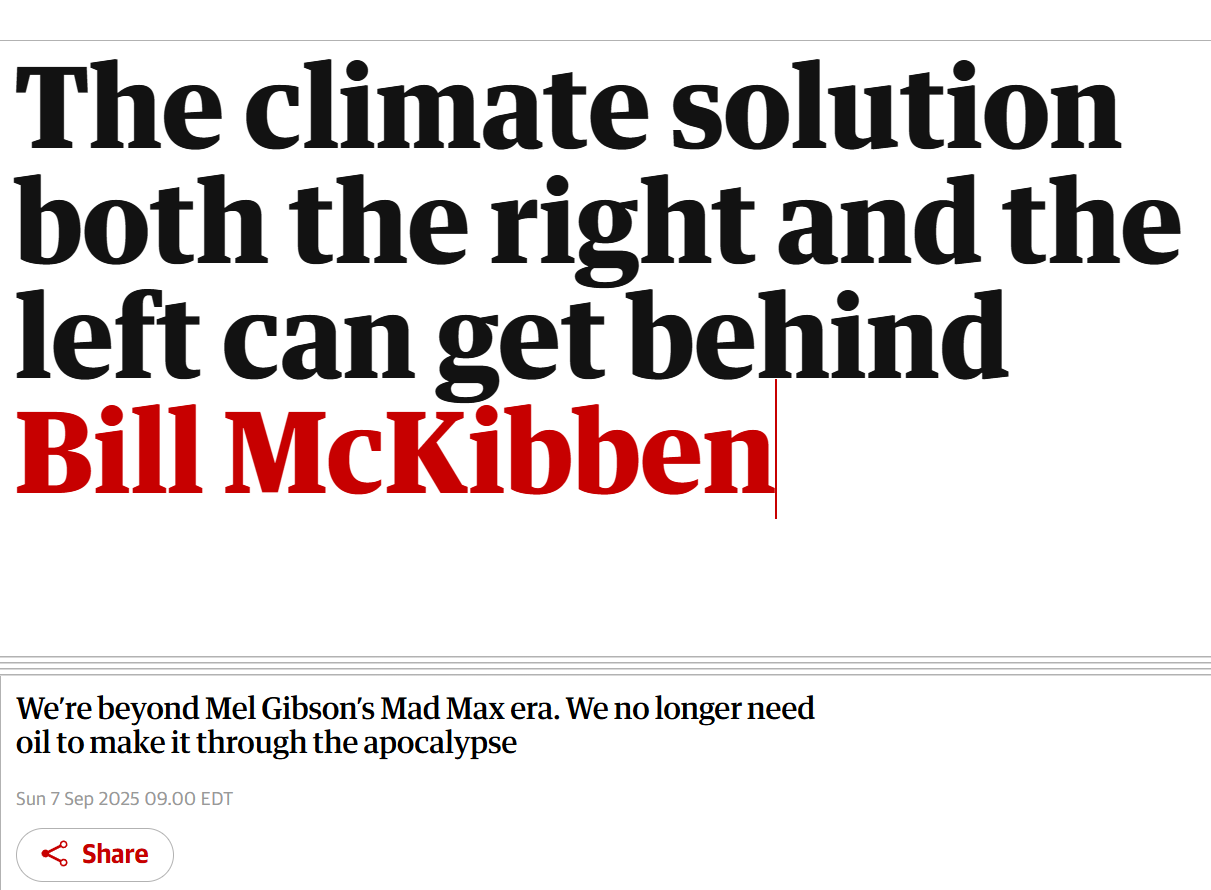
The claims don’t match observations, emissions math, or grid reality. Meanwhile, the same outlet is pushing a companion doom narrative—“Self-termination is most likely”—that treats civilizational collapse as a near inevitability. Let’s dismantle the rhetoric with data, then talk about what actually improves lives and resilience.
Personal note…
Let me be clear. I am not against solar. I have 8 kilowatts on my roof as I write this. I live in Colorado and with one to one net metering, I have not paid for a kilowatt hour in nearly a year.
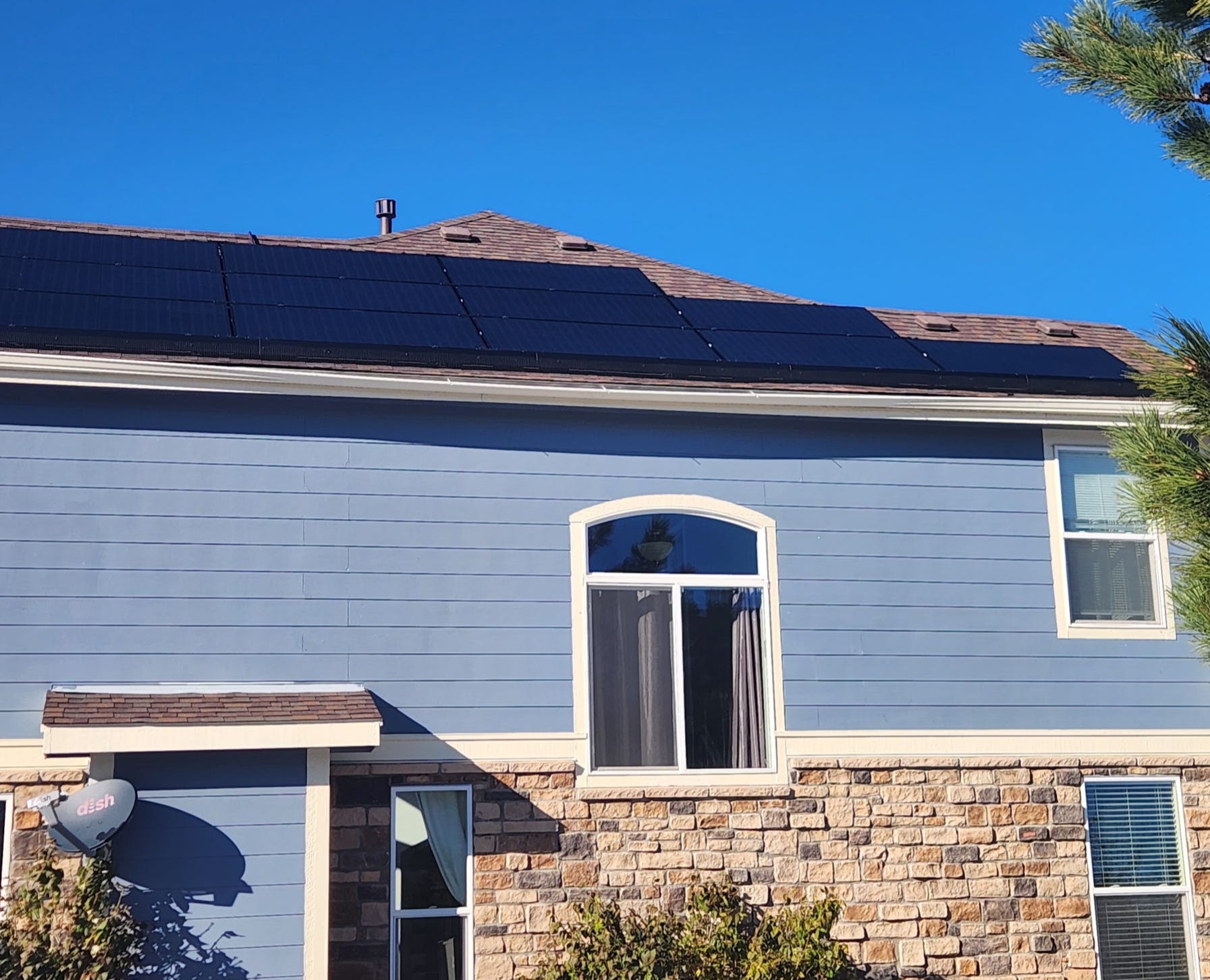
Rooftop solar is great for daytime loads and great for a family budget. It is also a useful way to shave peaks and reduce fuel burn on the margin. What I am pushing back on is the claim that this is a replacement for firm baseload power. It is not. Solar helps us stretch the fossil fuel supply, and it buys time while we build the thing that actually replaces baseload, which is nuclear. Until then, the grid still leans on dense, reliable sources to ride through calm and cloudy weeks.
The media–anxiety feedback loop
If you design headlines to frighten first and inform later, you will frighten people, especially kids. That isn’t hypothetical; it’s measured. I’ve written before about how MSM incentives reward worst-case framings and cherry-picked model scenarios, training the public to associate weather with apocalypse rather than with probability and context.
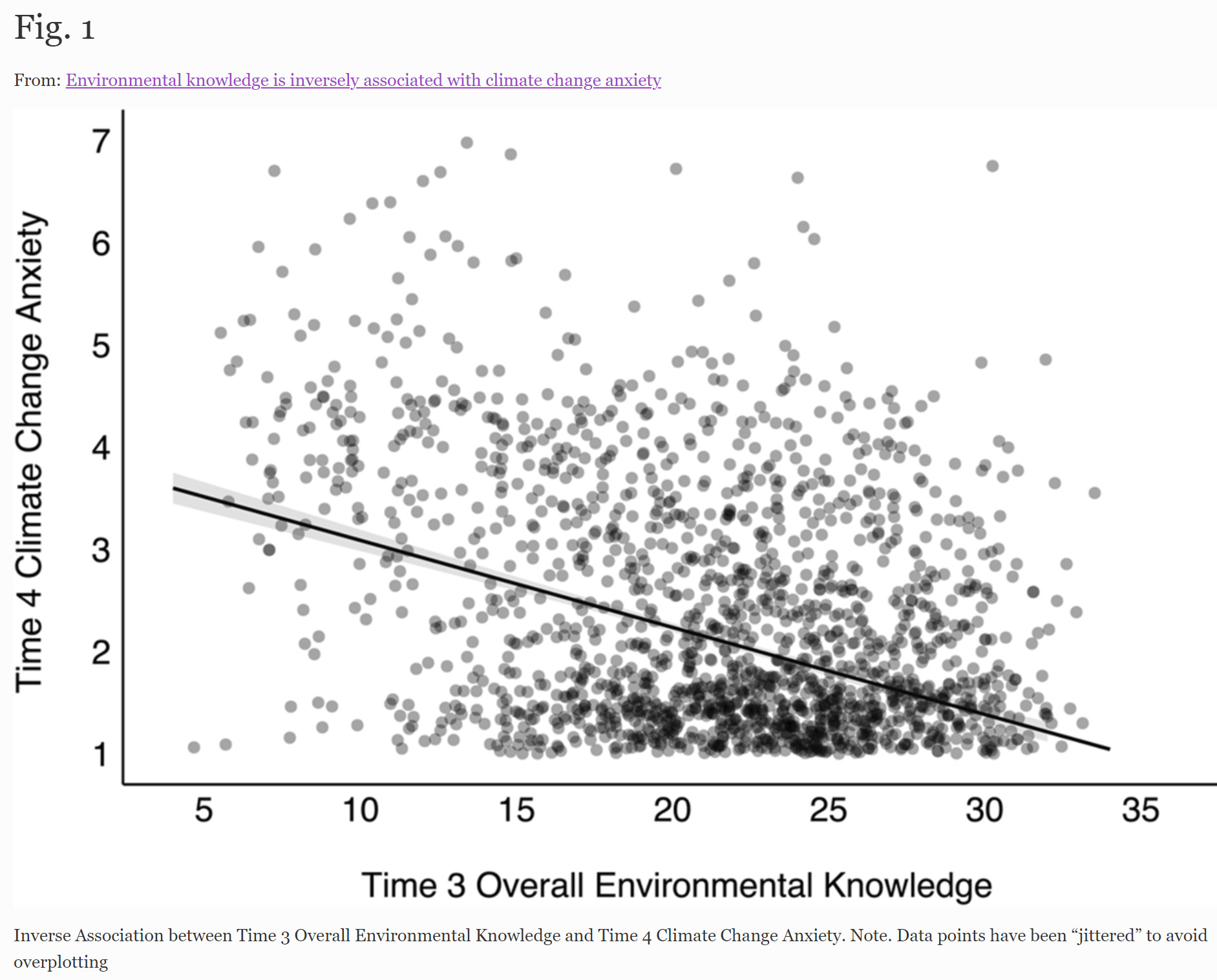
Worse, climate anxiety climbs when knowledge is low and messaging is catastrophized. Higher environmental literacy is inversely associated with climate-anxiety scores.
Young people report real distress that aligns with the drumbeat of doom coverage, rather than their actual daily risk.
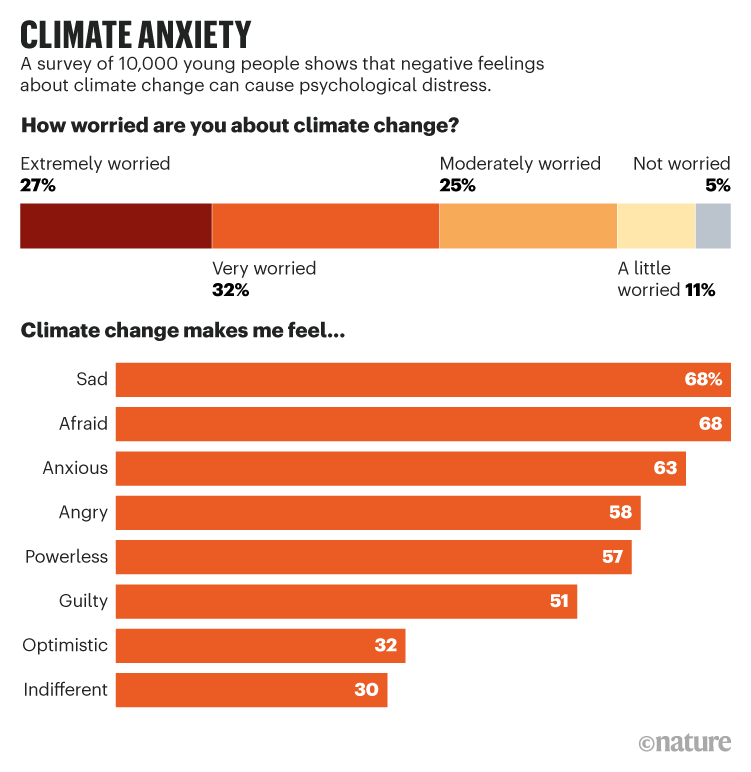
Translation: Sensationalism sells, but it also hurts. It makes people feel doomed instead of capable… and it flattens nuance into slogans.
Today’s example: McKibben’s “The climate solution both the right and the left can get behind” essay
Today’s case study is Bill McKibben’s new Guardian interactive. It tells readers that “extreme weather events are becoming more frequent and violent,” that we should sprint “at the pace China is currently going,” and that solar plus batteries are the bunker-ready cure for a failing civilization. The same outlet is also pushing a companion collapse narrative—“Self-termination is most likely”—that recasts civilizational failure as a near inevitability.
The claims don’t line up with what observations actually show. Disaster counts have not risen; disaster deaths have fallen for decades as societies have gotten richer and better prepared.
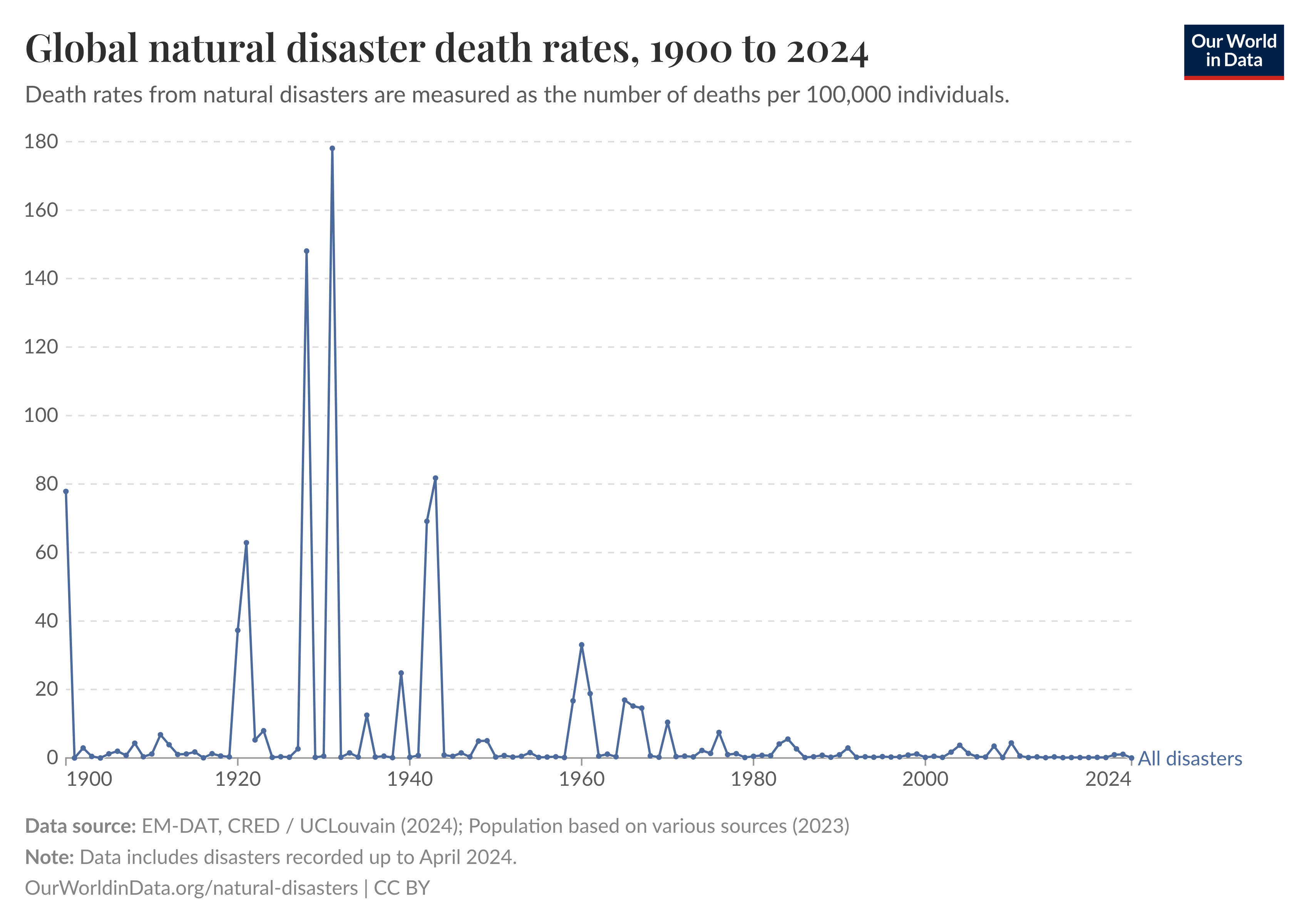
McKibben’s frame also leans on how something feels. The assessment literature doesn’t say “more of everything everywhere.” It says heat extremes are up and some heavy-precipitation metrics have increased in some regions, while other hazards show mixed or uncertain long-term trends depending on the metric. That’s nuance you won’t get from a headline, but it’s the difference between fear and proportion.
And then there’s the “pace China is currently going” line. The arithmetic is simple but missing from the copy: China led the world in new solar and wind capacity—and also hit record CO₂ emissions in 2023, with global fossil CO₂ setting a record the same year.
Here’s what I’ll do for subscribers. I’ll quote McKibben’s key lines exactly and place them next to the observational datasets, so you can see the gap for yourself. I’ll walk through EM-DAT’s reporting effects and the long fall in disaster mortality with one clear figure. I’ll lay out the China arithmetic—record additions and record emissions—and explain why “cheap panels” is not the same thing as a reliable grid that survives through variable weather. I’ll also show why blanketing landscapes with low-density energy creates trade-offs the headlines never mention, including local nighttime warming around large solar and wind installations, and I’ll close by unpacking the Guardian’s “self-termination” feature with the trend lines on human flourishing it leaves out.
Free-section takeaway
McKibben’s piece is witty and shareable. But it leans on feelings (disasters everywhere), vibes (China’s pace), and module prices to imply an easy fix. The observations say something else: disaster deaths down; emissions rising mainly outside advanced economies; and reliability/land-use are the bottlenecks for solar.
If you value evidence over vibes, share this piece — and join as a paid subscriber so we can keep pushing back against the climate crisis narrative together.
